A river of legends and life
Flowing north from the Bohemian Forest, the Vltava brings life, commerce, and occasional fury to the heart of Prague.
Table of Contents
Origins and legends: majestic Libuše
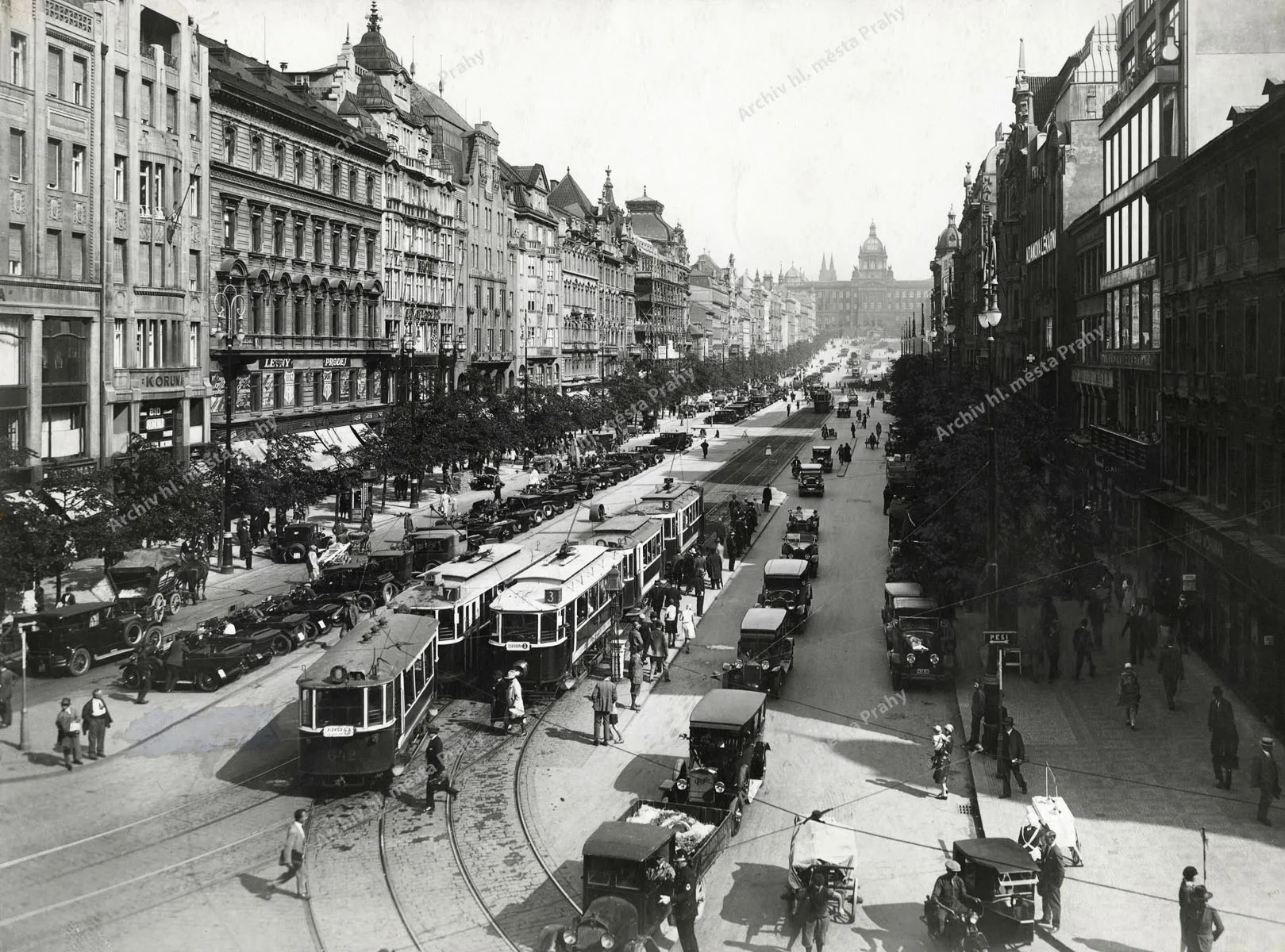
Legend has it that Prague's very foundation is tied to the river. Princess Libuše, a visionary mythical ruler, stood on the cliffs of Vyšehrad, overlooking the Vltava, and prophesied a city 'whose glory will touch the stars'. The river was seen not just as water, but as a sacred flow connecting the Czech lands. The name Vltava itself is believed to come from the old Germanic 'Wilth-ahwa', meaning wild water, a testament to its untamed nature before modern dams tamed its flow.
For centuries, the river was the only way to move heavy timber and stone. Raftsmen floated logs all the way from the Sumava mountains down to Prague, a perilous journey that birthed songs, legends, and a rugged river culture. Today, as you sip a cocktail on a luxury cruiser, you are floating on the same currents that carried the raw materials used to build the very palaces you admire.
The medieval trade artery
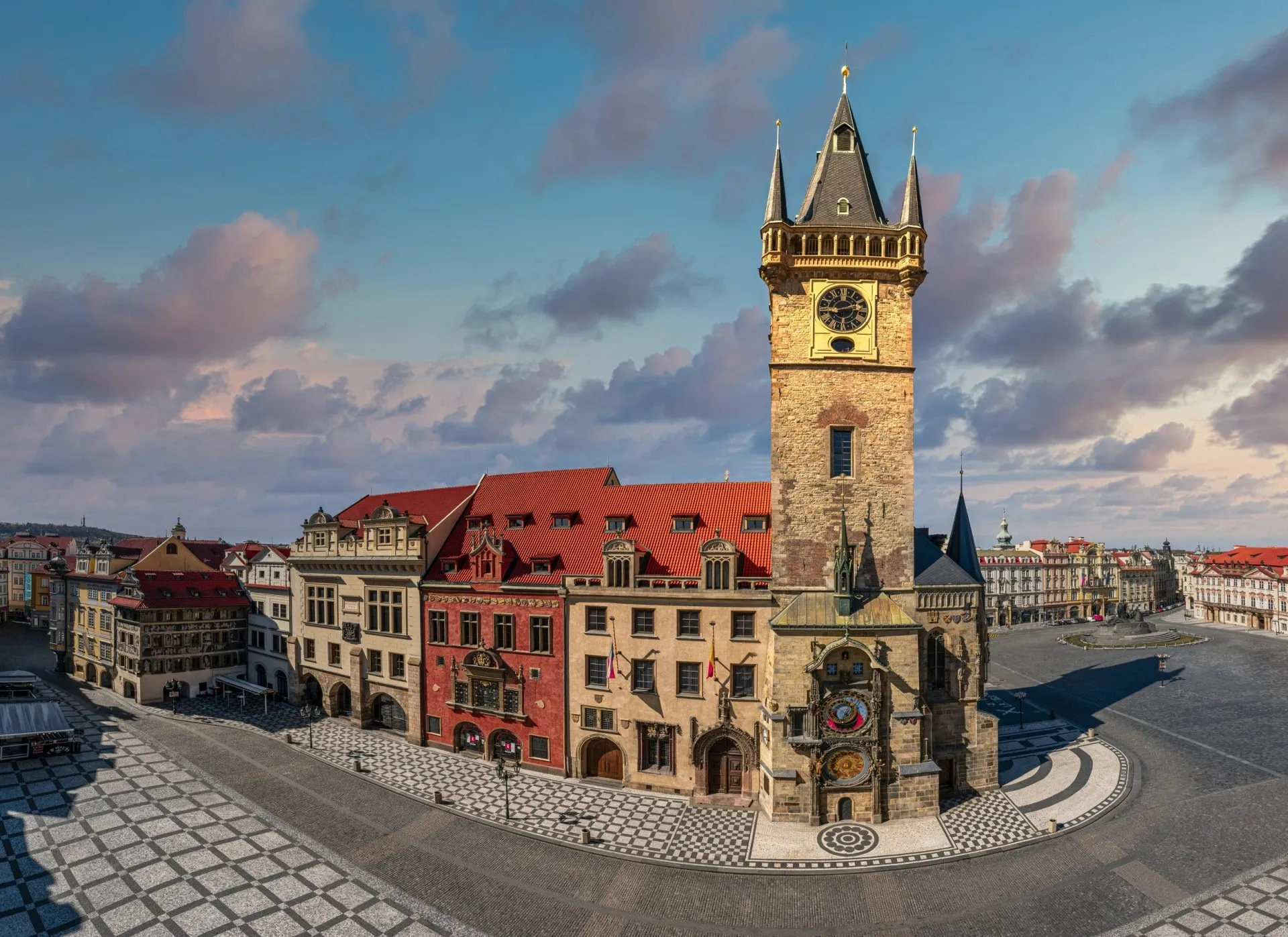
In the Middle Ages, the Vltava was the superhighway of Bohemia. It connected Prague to the Elbe and arguably the North Sea. Salt, spices, and exotic goods arrived at the Custom House (Výtoň) near Vyšehrad. The riverbanks were bustling, smelly, chaotic places teeming with fishermen, millers, and merchants. The famous 'Naplavka' embankments we enjoy today were once strictly industrial zones where the city's wealth was offloaded crate by crate.
The river also served as a defensive moat. The Old Town was protected by the river on one side and walls on the other. However, the river was a fickle friend. It frequently froze solid in winter—allowing armies to cross or fairs to be held on the ice—and roared with destructive floods in spring, washing away lesser bridges and wooden shacks repeatedly.
Charles Bridge: Crossing the stream
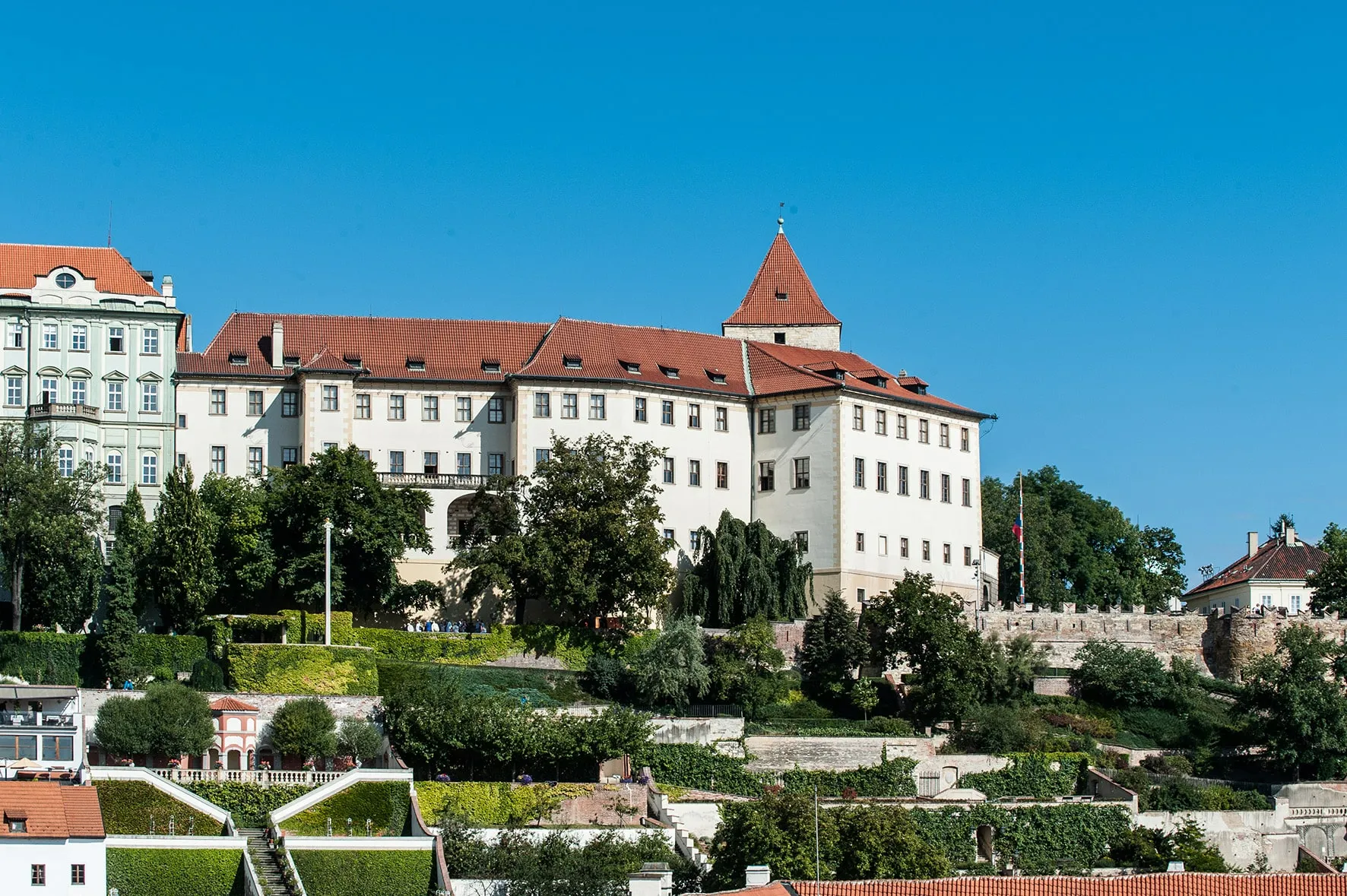
Before the Charles Bridge, there was the Judith Bridge, the first stone bridge across the river, which collapsed during a flood in 1342. Emperor Charles IV, determined to build something lasting, laid the foundation stone of the new bridge in 1357 at a precise auspicious astrological moment (135797531 - year, day, month, time). It stood as the only bridge across the Vltava in Prague for nearly 500 years.
Viewing the Charles Bridge from a boat allows you to see the 'ice breakers'—wooden structures protecting the stone pillars—and flood markers carved into the stone. It also reveals the bridge's slight S-curve, a medieval engineering nuance often invisible from the street. You can also spot the blackened sandstone blocks, darkened by centuries of smoke and time, interspersed with lighter, newer stones from restoration efforts.
The great floods and resilience
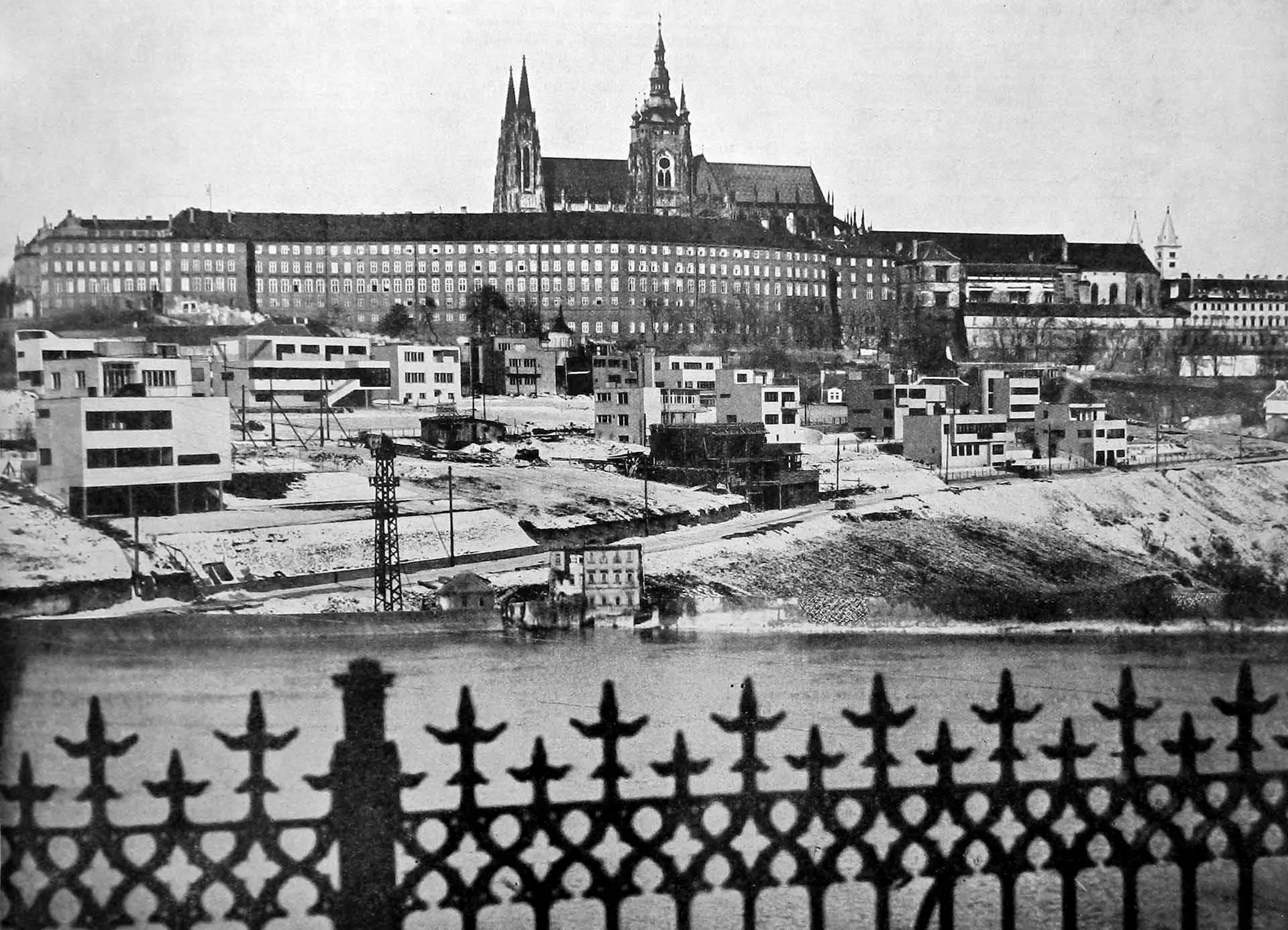
Prague has a complicated relationship with its river. The beauty of the waterfront comes with a price. The most devastating flood in modern history occurred in August 2002, when the Vltava rose by over 7 meters, inundating the metro, Kampa Island, and the historic Jewish Quarter. It was a catastrophe that revealed the city's vulnerability but also its immense spirit of solidarity.
As you cruise past Kampa Island or the zoo in Troja, look for small metal plaques on buildings located high above your head. These marks show where the water level reached in 2002 (and other floods). Today, a sophisticated system of mobile metal barriers protects the Old Town, but the river remains a force of nature that demands respect. The recovery was swift, and the renovated riverbanks are now more beautiful than ever.
Islands of the Vltava: Kampa to Střelecký
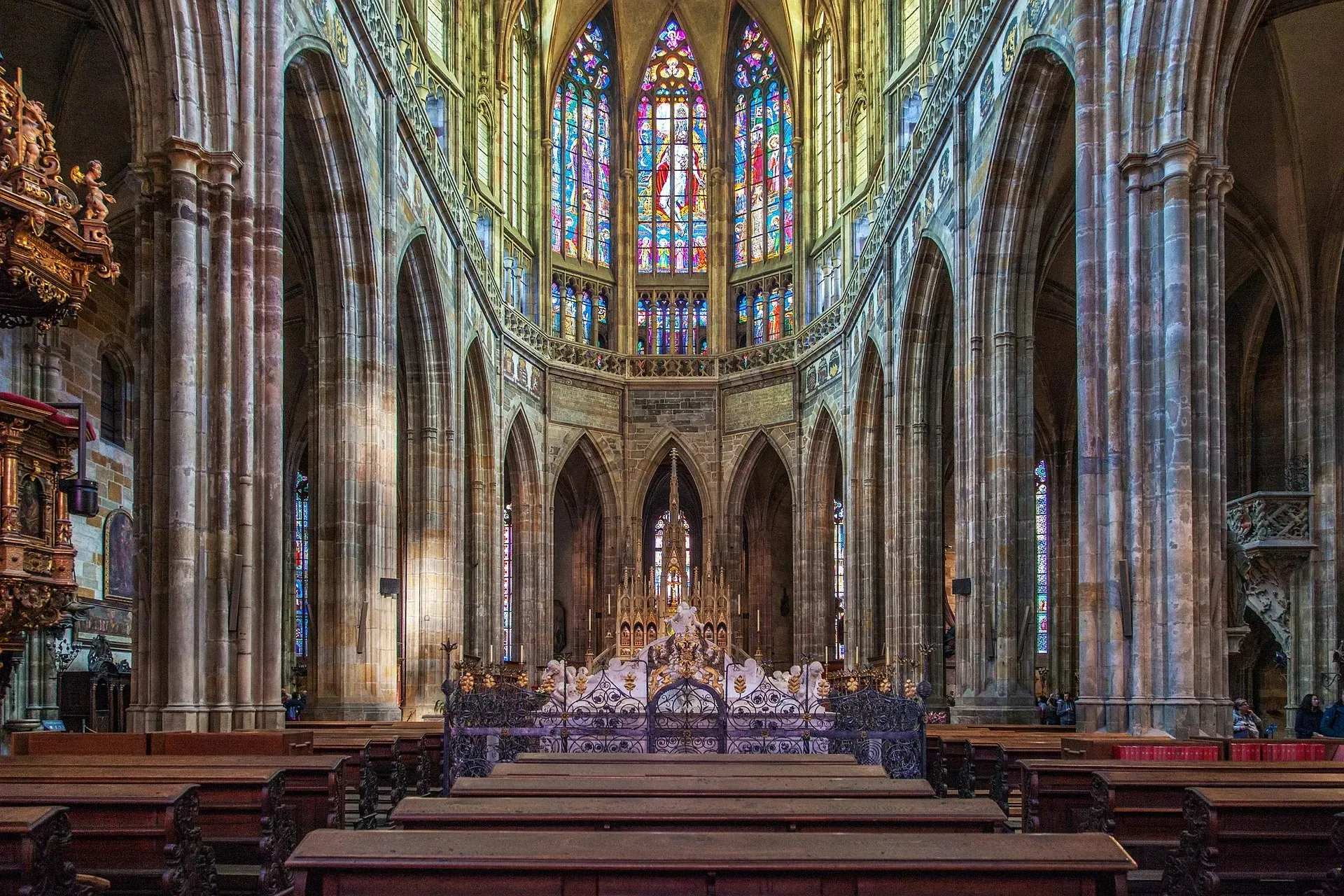
The Vltava is dotted with islands, each with its own character. Kampa Island, separated from the Lesser Town by the Devil's Stream (Čertovka), is an oasis of parks and art museums. Then there is Střelecký Island, accessible by stairs from the Legions Bridge, a favorite spot for summer festivals and open-air cinema. Žofín (Slavonic Island) hosts a magnificent neo-Renaissance palace used for balls and concerts.
Historically, these islands were used by dyers, tanners, and archers (hence 'Shooters Island'). Today, they are green lungs of the city. A cruise often takes you close to the shores of these islands, where you can see locals dangling their feet in the water, swans nesting, and beavers—who have recently returned to the city center—gnawing on willow branches.
Smetana's 'Vltava': A musical tribute
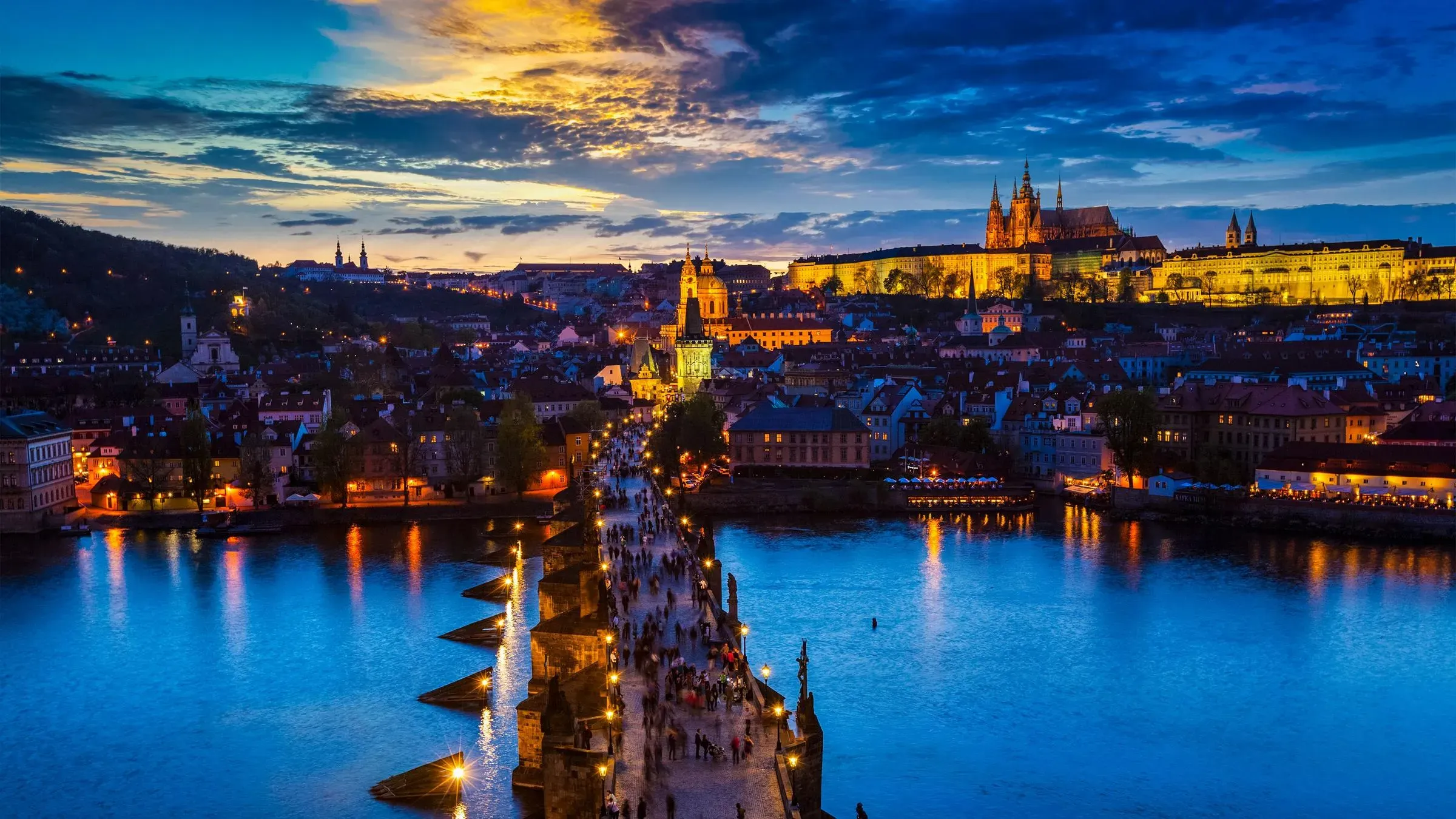
No discussion of the river is complete without Bedřich Smetana’s symphonic poem 'Vltava' (The Moldau). It is perhaps the most famous piece of Czech classical music. The composition musically traces the river's journey: starting with two small springs (flutes), merging into a mighty stream, flowing past a forest hunt (horns), a rustic peasant wedding (polka rhythm), moonlight and water nymphs (shimmering strings), and finally the majestic rapids of St. John and the arrival in Prague (grand full orchestra).
Many dinner cruises play this piece as they pass Vyšehrad or the Charles Bridge. Listening to the swelling melody while physically floating on the water that inspired it is a deeply emotional experience that connects you to the soul of the Czech nation. It turns a sightseeing trip into a moving cultural pilgrimage.
Modern engineering: Locks and embankments
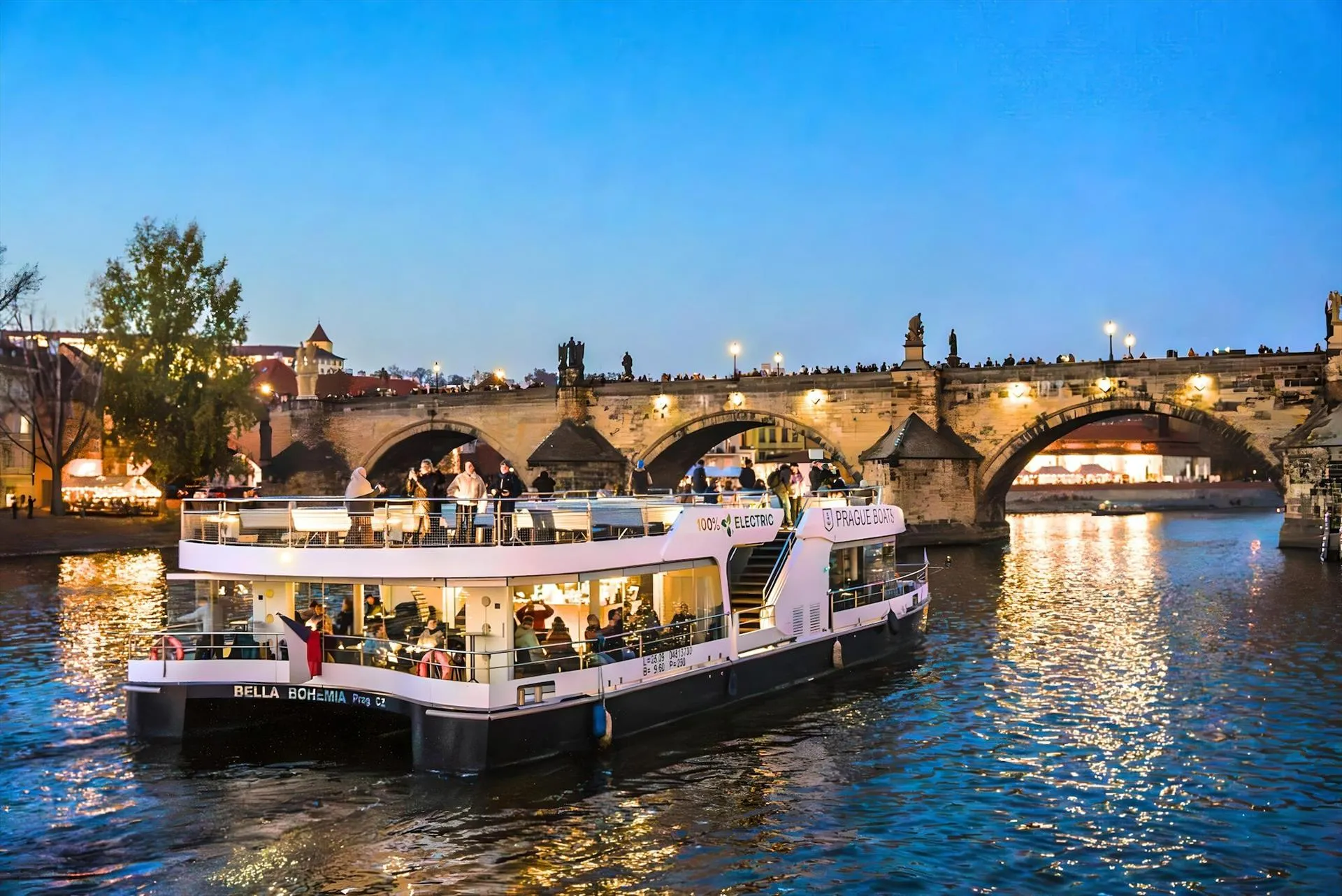
Cruising through the city often involves passing through locks (plavební komory). The Smíchov lock is the busiest in the country. It allows boats to bypass the weirs that regulate the river's flow. Watching the lock gates close and feeling the boat rise or fall to the next water level is a marvel of 19th and 20th-century hydraulic engineering.
The embankments themselves are also engineering feats. Built largely in the 19th and early 20th centuries to protect against minor floods and facilitate docking, they are faced with granite blocks. Recently, the interiors of the embankment walls (formerly storage cubicles or 'dungeons') have been revitalized into trendy cafes, galleries, and public toilets with distinctive round glass pivot doors, winning architectural awards.
Life on the Embankments (Náplavka)
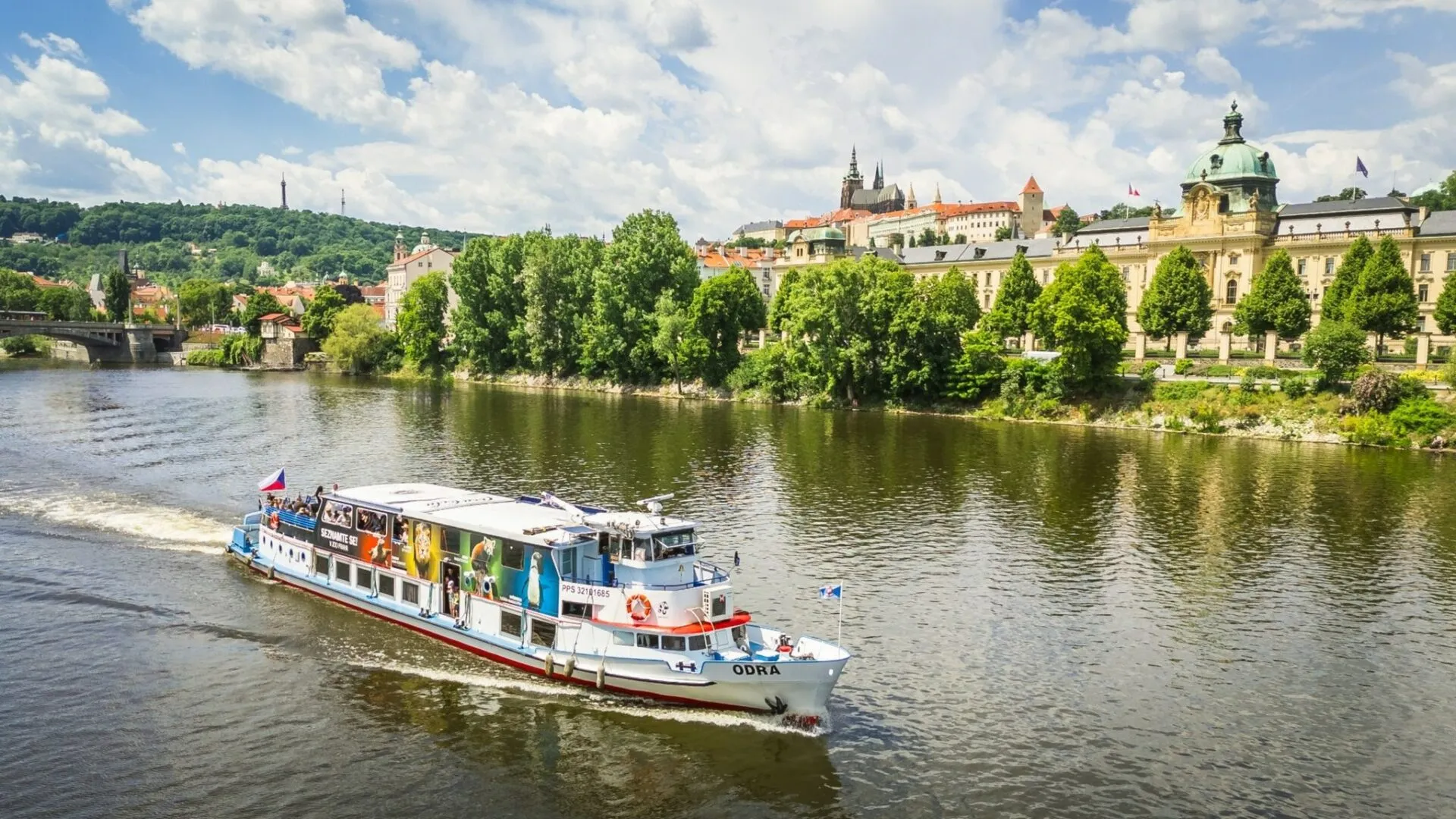
In the last decade, the riverbank known as 'Náplavka' has transformed into Prague's most popular social space. On Saturday mornings, it hosts a massive farmers' market. On summer evenings, thousands of locals gather to sit by the water, drink beer from pop-up bars on moored boats, and listen to live music. It's a vibrant, hipster, authentically local scene.
From your cruise boat, you'll see this lively tableau: legs dangling over the edge of the quay, swans begging for bread (please don't feed them bread; lettuce or corn is better!), and the buzz of conversation. It's a sharp contrast to the silent, illuminated majesty of the Castle on the opposite hill, showing the dynamic dual nature of Prague.
The Jazz Boat revolution
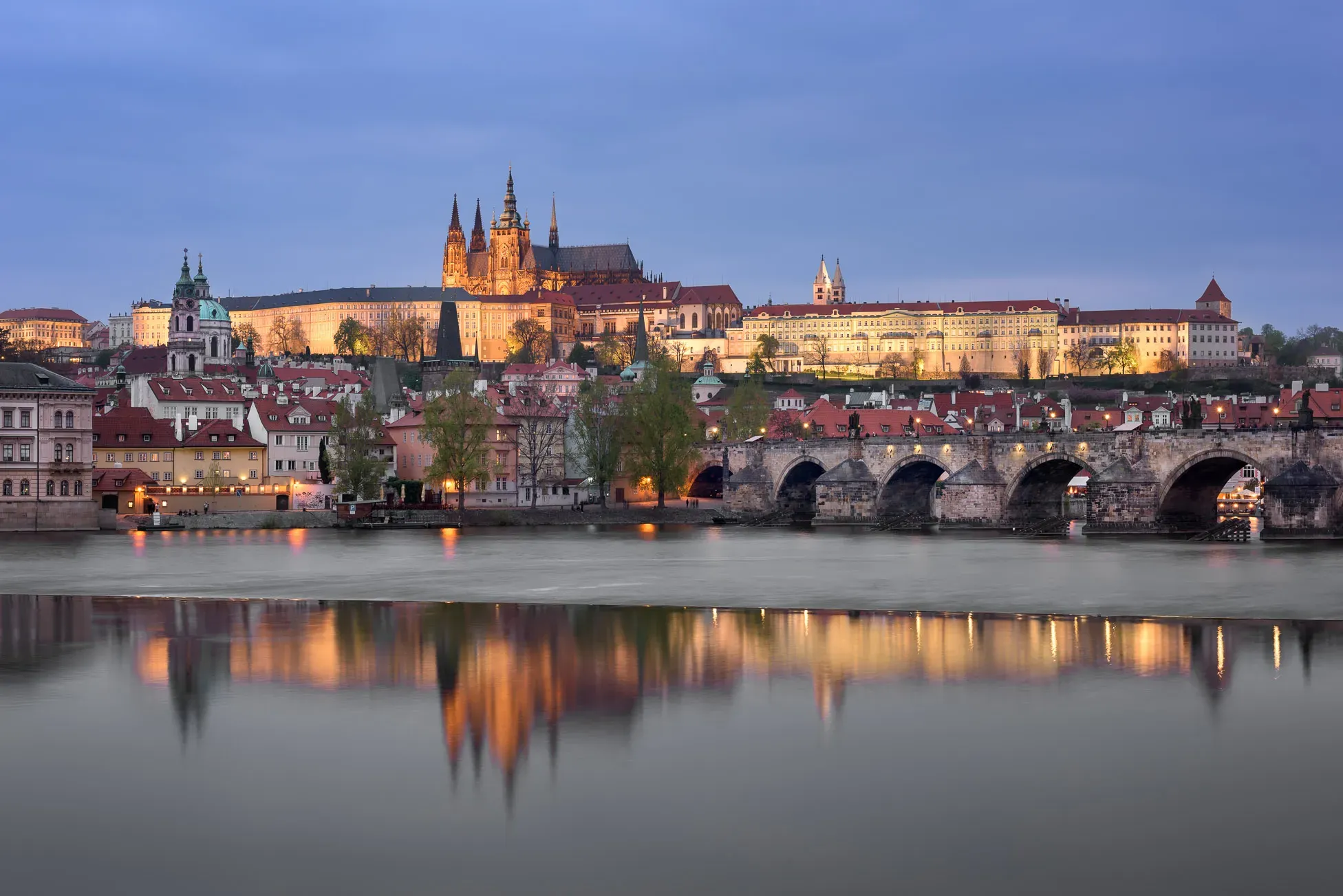
Prague has a long, deep love affair with jazz, dating back to the First Republic in the 1920s. The 'Jazz Boat' concept combines this musical heritage with river cruising. These aren't just background music trips; they are serious floating jazz clubs featuring top lcoal and international musicians.
The acoustics of a boat salon, combined with the moving scenery, create a unique vibe. As the saxophones wail and the drums shuffle, the lights of the city slide by outside the windows. It's a very 'Prague' experience—cultural, slightly melancholic, classy, and utterly romantic. It recalls a time when Prague was one of the cultural capitals of Europe.
Architecture from the water
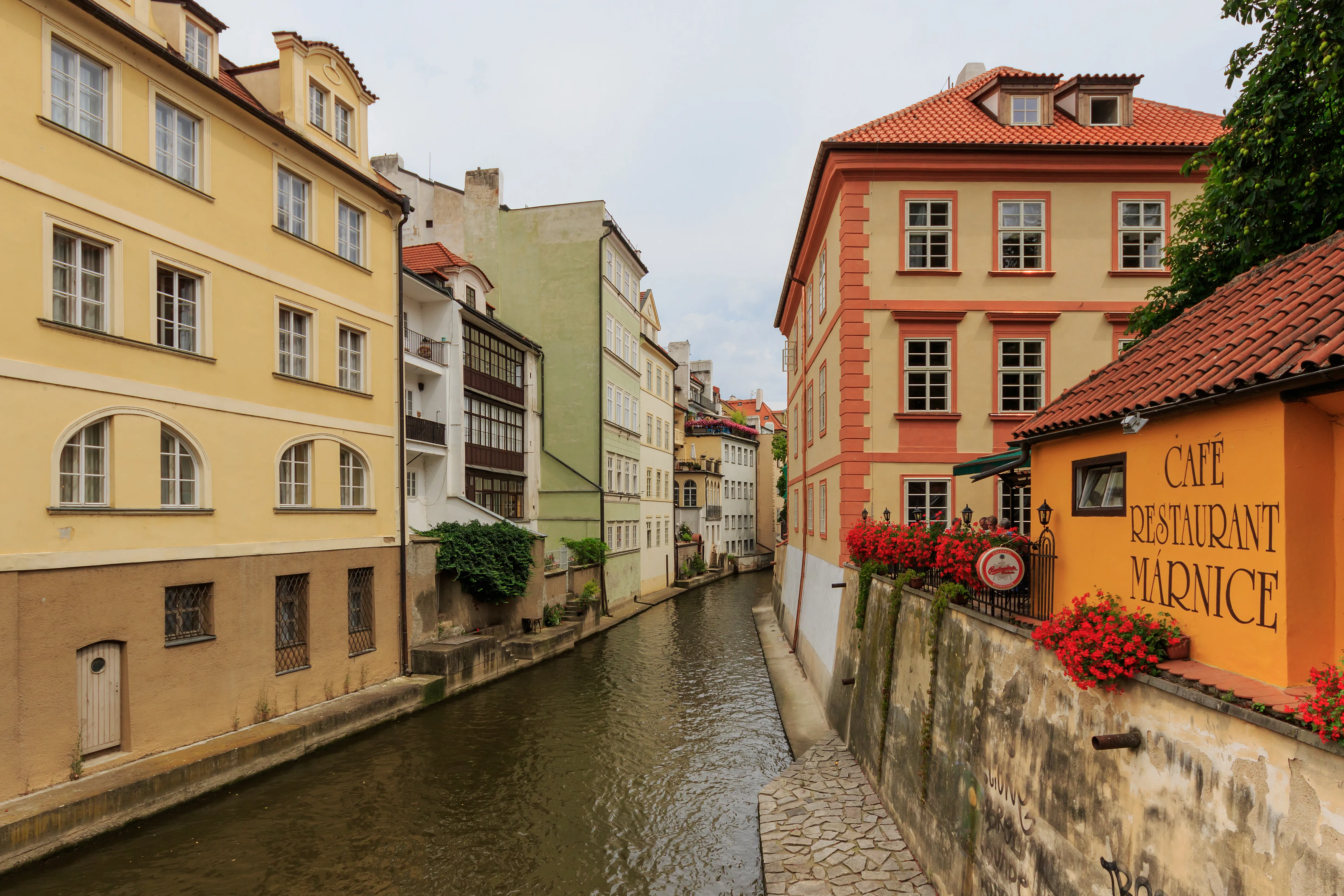
The river offers the best gallery of Prague's architectural evolution. You see the Gothic spires of St. Vitus, the Baroque dome of St. Nicholas, the Neo-Renaissance National Theatre with its golden roof, and the Art Nouveau apartments along the quay. Then, suddenly, the deconstructivist 'Dancing House' (Fred and Ginger) by Frank Gehry bursts onto the scene.
This juxtaposition is starkest from the water. The Dancing House seems to lean out over the intersection, playfully mimicking a couple in motion, while the rigid statues of the nearby Jirásek Bridge watch on. The river acts as a mirror, doubling the beauty of these structures, especially during the 'golden hour' before sunset.
Water spirits and folklore
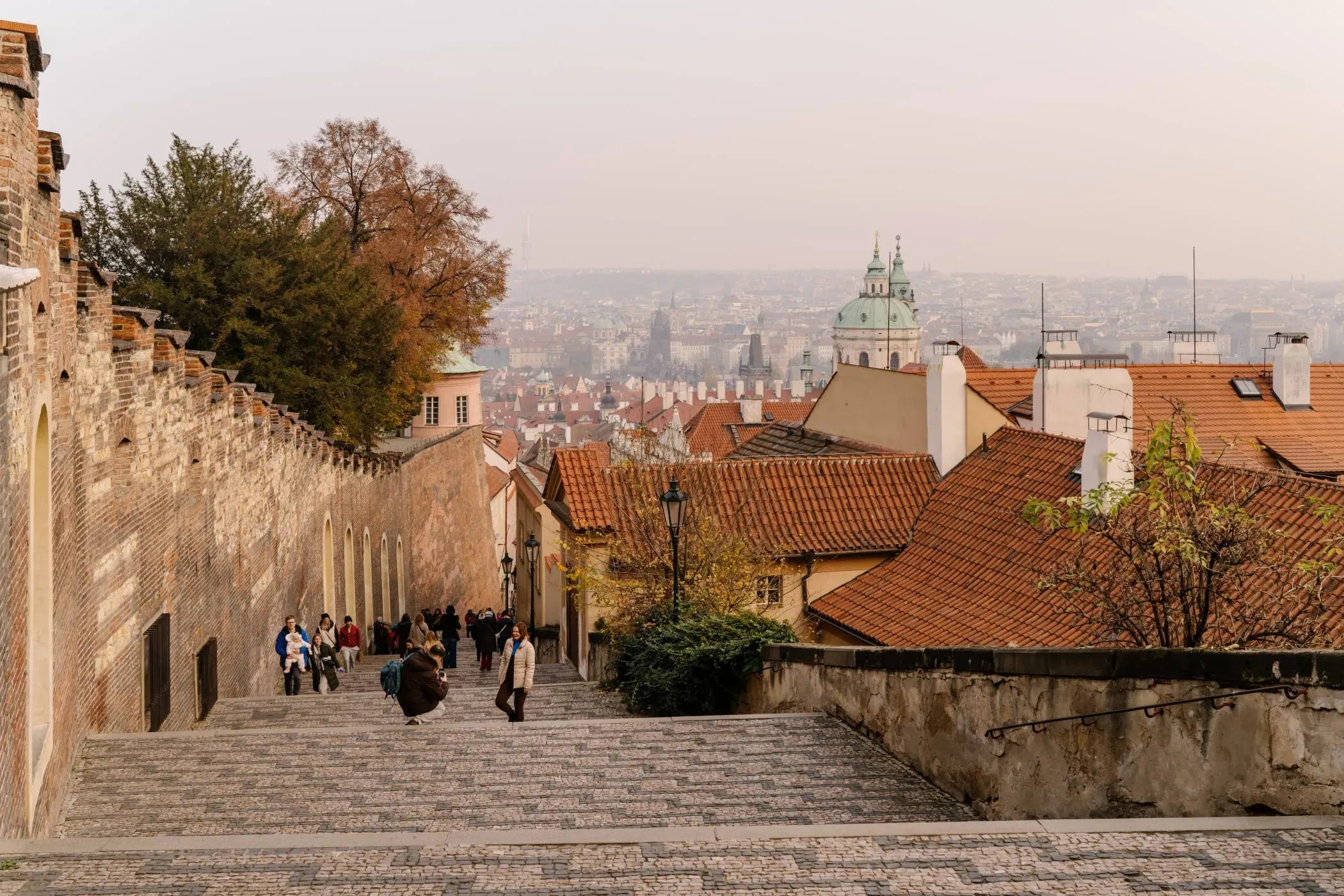
Czech folklore is full of stories about the 'Vodník' (Water Goblin). He is usually depicted as a green man in a tailcoat with wet coattails, who stores the souls of drowned people in porcelain cups under the river. While he can be malicious, in Prague legends, the Kampa Vodník is often a somewhat lonely, nostalgic figure who just wants to smoke his pipe and chat with the millers.
Near the Velkopřevorský Mill on Kampa Island, you can spot a statue of a Vodník guarding the bridge. River cruise guides love to point him out. It adds a touch of whimsical spookiness to the journey, reminding visitors that every dark eddy in the Vltava has a story behind it.
The future of the riverfront
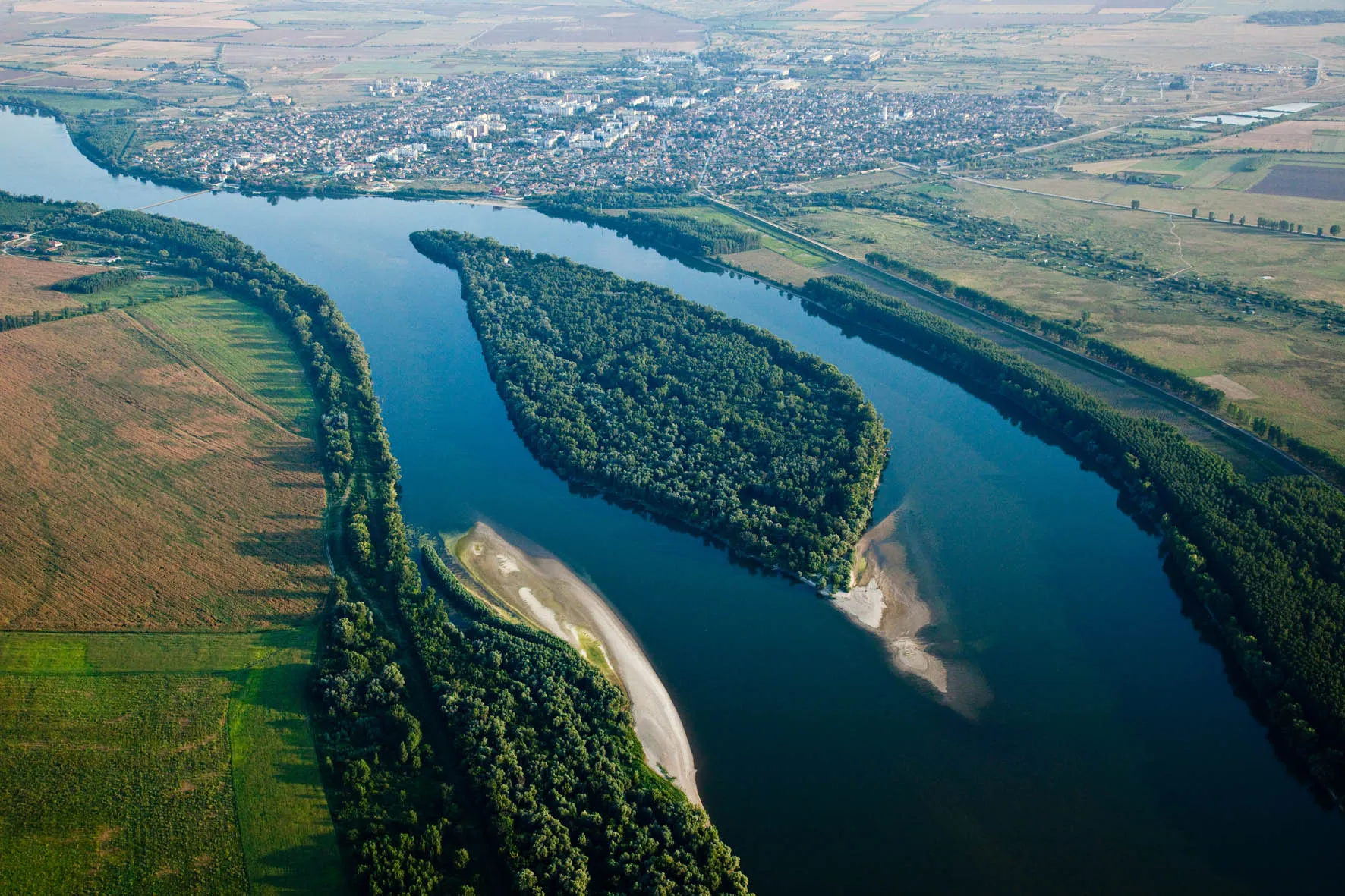
Prague is currently investing heavily in 'The Vltava Philharmonic Hall', a futuristic concert venue planned for the Vltavská embankment. This project, along with new pedestrian bridges and revitalized islands, aims to orient the city even more towards its water. The river is no longer just a border or a drain; it's becoming the central stage of urban life.
Sustainable boating is also on the rise, with more electric and hybrid vessels launching every year to reduce noise and emissions. The goal is a silent, clean river where the only sounds are the water lapping against the hull and the applause from the jazz deck.
Why the river IS Prague
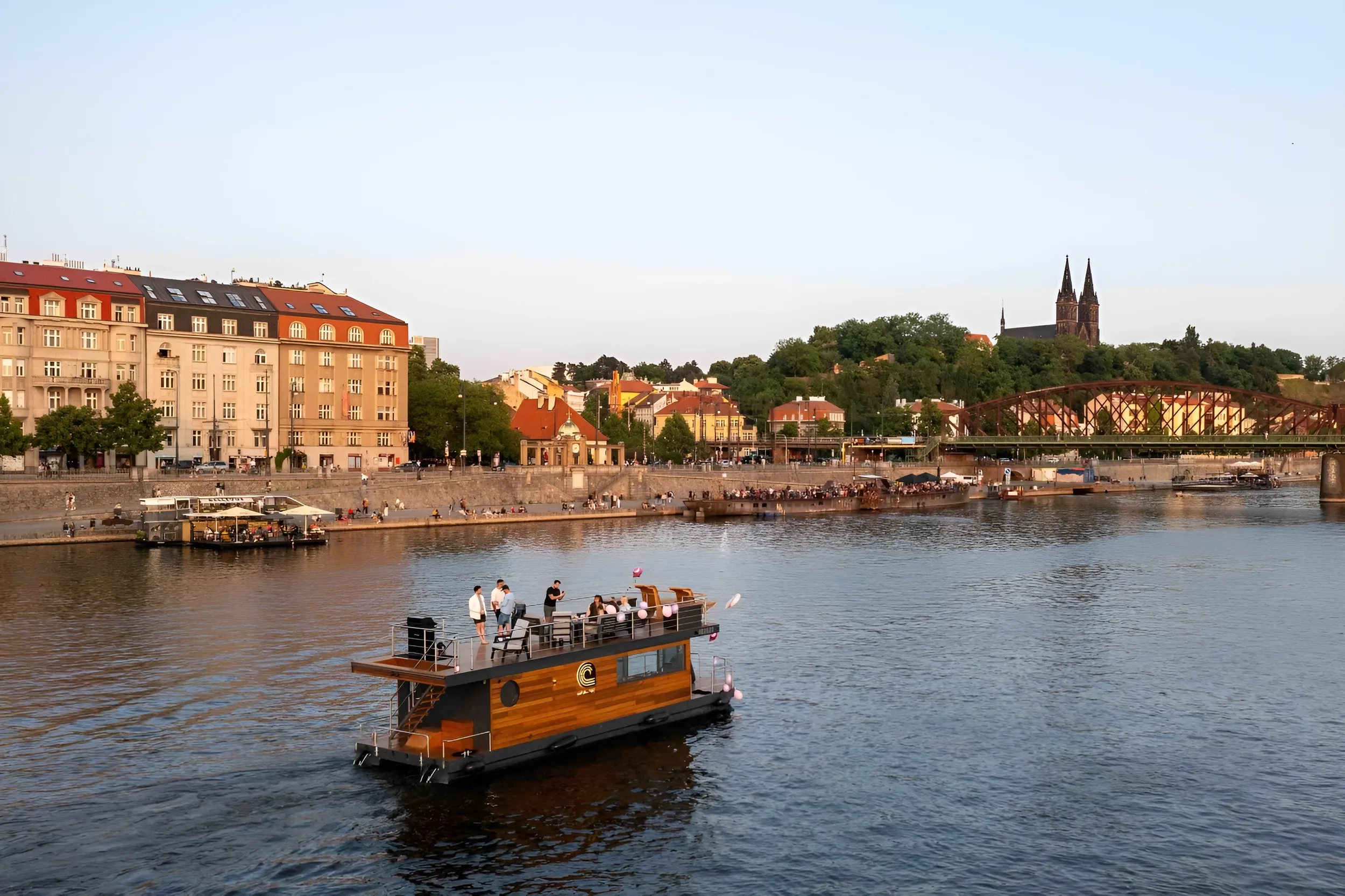
You cannot claim to have seen Prague if you haven't seen the Vltava. The river is the conductor of the city's orchestra. It dictates the shape of the streets, the location of the towers, and the mood of the inhabitants. A foggy morning on the river feels like a mystery novel; a sunny afternoon feels like a festival.
A boat cruise is the most relaxing way to sync your heartbeat with the rhythm of this ancient city. Whether you are sipping a Pilsner on a wooden deck or enjoying a three-course duck dinner, you are participating in a tradition as old as the city itself: watching the world stream by on the wild waters of the Vltava.
Table of Contents
Origins and legends: majestic Libuše
Legend has it that Prague's very foundation is tied to the river. Princess Libuše, a visionary mythical ruler, stood on the cliffs of Vyšehrad, overlooking the Vltava, and prophesied a city 'whose glory will touch the stars'. The river was seen not just as water, but as a sacred flow connecting the Czech lands. The name Vltava itself is believed to come from the old Germanic 'Wilth-ahwa', meaning wild water, a testament to its untamed nature before modern dams tamed its flow.
For centuries, the river was the only way to move heavy timber and stone. Raftsmen floated logs all the way from the Sumava mountains down to Prague, a perilous journey that birthed songs, legends, and a rugged river culture. Today, as you sip a cocktail on a luxury cruiser, you are floating on the same currents that carried the raw materials used to build the very palaces you admire.
The medieval trade artery
In the Middle Ages, the Vltava was the superhighway of Bohemia. It connected Prague to the Elbe and arguably the North Sea. Salt, spices, and exotic goods arrived at the Custom House (Výtoň) near Vyšehrad. The riverbanks were bustling, smelly, chaotic places teeming with fishermen, millers, and merchants. The famous 'Naplavka' embankments we enjoy today were once strictly industrial zones where the city's wealth was offloaded crate by crate.
The river also served as a defensive moat. The Old Town was protected by the river on one side and walls on the other. However, the river was a fickle friend. It frequently froze solid in winter—allowing armies to cross or fairs to be held on the ice—and roared with destructive floods in spring, washing away lesser bridges and wooden shacks repeatedly.
Charles Bridge: Crossing the stream
Before the Charles Bridge, there was the Judith Bridge, the first stone bridge across the river, which collapsed during a flood in 1342. Emperor Charles IV, determined to build something lasting, laid the foundation stone of the new bridge in 1357 at a precise auspicious astrological moment (135797531 - year, day, month, time). It stood as the only bridge across the Vltava in Prague for nearly 500 years.
Viewing the Charles Bridge from a boat allows you to see the 'ice breakers'—wooden structures protecting the stone pillars—and flood markers carved into the stone. It also reveals the bridge's slight S-curve, a medieval engineering nuance often invisible from the street. You can also spot the blackened sandstone blocks, darkened by centuries of smoke and time, interspersed with lighter, newer stones from restoration efforts.
The great floods and resilience
Prague has a complicated relationship with its river. The beauty of the waterfront comes with a price. The most devastating flood in modern history occurred in August 2002, when the Vltava rose by over 7 meters, inundating the metro, Kampa Island, and the historic Jewish Quarter. It was a catastrophe that revealed the city's vulnerability but also its immense spirit of solidarity.
As you cruise past Kampa Island or the zoo in Troja, look for small metal plaques on buildings located high above your head. These marks show where the water level reached in 2002 (and other floods). Today, a sophisticated system of mobile metal barriers protects the Old Town, but the river remains a force of nature that demands respect. The recovery was swift, and the renovated riverbanks are now more beautiful than ever.
Islands of the Vltava: Kampa to Střelecký
The Vltava is dotted with islands, each with its own character. Kampa Island, separated from the Lesser Town by the Devil's Stream (Čertovka), is an oasis of parks and art museums. Then there is Střelecký Island, accessible by stairs from the Legions Bridge, a favorite spot for summer festivals and open-air cinema. Žofín (Slavonic Island) hosts a magnificent neo-Renaissance palace used for balls and concerts.
Historically, these islands were used by dyers, tanners, and archers (hence 'Shooters Island'). Today, they are green lungs of the city. A cruise often takes you close to the shores of these islands, where you can see locals dangling their feet in the water, swans nesting, and beavers—who have recently returned to the city center—gnawing on willow branches.
Smetana's 'Vltava': A musical tribute
No discussion of the river is complete without Bedřich Smetana’s symphonic poem 'Vltava' (The Moldau). It is perhaps the most famous piece of Czech classical music. The composition musically traces the river's journey: starting with two small springs (flutes), merging into a mighty stream, flowing past a forest hunt (horns), a rustic peasant wedding (polka rhythm), moonlight and water nymphs (shimmering strings), and finally the majestic rapids of St. John and the arrival in Prague (grand full orchestra).
Many dinner cruises play this piece as they pass Vyšehrad or the Charles Bridge. Listening to the swelling melody while physically floating on the water that inspired it is a deeply emotional experience that connects you to the soul of the Czech nation. It turns a sightseeing trip into a moving cultural pilgrimage.
Modern engineering: Locks and embankments
Cruising through the city often involves passing through locks (plavební komory). The Smíchov lock is the busiest in the country. It allows boats to bypass the weirs that regulate the river's flow. Watching the lock gates close and feeling the boat rise or fall to the next water level is a marvel of 19th and 20th-century hydraulic engineering.
The embankments themselves are also engineering feats. Built largely in the 19th and early 20th centuries to protect against minor floods and facilitate docking, they are faced with granite blocks. Recently, the interiors of the embankment walls (formerly storage cubicles or 'dungeons') have been revitalized into trendy cafes, galleries, and public toilets with distinctive round glass pivot doors, winning architectural awards.
Life on the Embankments (Náplavka)
In the last decade, the riverbank known as 'Náplavka' has transformed into Prague's most popular social space. On Saturday mornings, it hosts a massive farmers' market. On summer evenings, thousands of locals gather to sit by the water, drink beer from pop-up bars on moored boats, and listen to live music. It's a vibrant, hipster, authentically local scene.
From your cruise boat, you'll see this lively tableau: legs dangling over the edge of the quay, swans begging for bread (please don't feed them bread; lettuce or corn is better!), and the buzz of conversation. It's a sharp contrast to the silent, illuminated majesty of the Castle on the opposite hill, showing the dynamic dual nature of Prague.
The Jazz Boat revolution
Prague has a long, deep love affair with jazz, dating back to the First Republic in the 1920s. The 'Jazz Boat' concept combines this musical heritage with river cruising. These aren't just background music trips; they are serious floating jazz clubs featuring top lcoal and international musicians.
The acoustics of a boat salon, combined with the moving scenery, create a unique vibe. As the saxophones wail and the drums shuffle, the lights of the city slide by outside the windows. It's a very 'Prague' experience—cultural, slightly melancholic, classy, and utterly romantic. It recalls a time when Prague was one of the cultural capitals of Europe.
Architecture from the water
The river offers the best gallery of Prague's architectural evolution. You see the Gothic spires of St. Vitus, the Baroque dome of St. Nicholas, the Neo-Renaissance National Theatre with its golden roof, and the Art Nouveau apartments along the quay. Then, suddenly, the deconstructivist 'Dancing House' (Fred and Ginger) by Frank Gehry bursts onto the scene.
This juxtaposition is starkest from the water. The Dancing House seems to lean out over the intersection, playfully mimicking a couple in motion, while the rigid statues of the nearby Jirásek Bridge watch on. The river acts as a mirror, doubling the beauty of these structures, especially during the 'golden hour' before sunset.
Water spirits and folklore
Czech folklore is full of stories about the 'Vodník' (Water Goblin). He is usually depicted as a green man in a tailcoat with wet coattails, who stores the souls of drowned people in porcelain cups under the river. While he can be malicious, in Prague legends, the Kampa Vodník is often a somewhat lonely, nostalgic figure who just wants to smoke his pipe and chat with the millers.
Near the Velkopřevorský Mill on Kampa Island, you can spot a statue of a Vodník guarding the bridge. River cruise guides love to point him out. It adds a touch of whimsical spookiness to the journey, reminding visitors that every dark eddy in the Vltava has a story behind it.
The future of the riverfront
Prague is currently investing heavily in 'The Vltava Philharmonic Hall', a futuristic concert venue planned for the Vltavská embankment. This project, along with new pedestrian bridges and revitalized islands, aims to orient the city even more towards its water. The river is no longer just a border or a drain; it's becoming the central stage of urban life.
Sustainable boating is also on the rise, with more electric and hybrid vessels launching every year to reduce noise and emissions. The goal is a silent, clean river where the only sounds are the water lapping against the hull and the applause from the jazz deck.
Why the river IS Prague
You cannot claim to have seen Prague if you haven't seen the Vltava. The river is the conductor of the city's orchestra. It dictates the shape of the streets, the location of the towers, and the mood of the inhabitants. A foggy morning on the river feels like a mystery novel; a sunny afternoon feels like a festival.
A boat cruise is the most relaxing way to sync your heartbeat with the rhythm of this ancient city. Whether you are sipping a Pilsner on a wooden deck or enjoying a three-course duck dinner, you are participating in a tradition as old as the city itself: watching the world stream by on the wild waters of the Vltava.